Winter Preparation That Prevents Breakdowns
Breakdown organisations report call-out volumes rising sharply in cold weather, and the causes are consistent year to year. Very little of it is bad luck.
A battery that started the car reluctantly in October will fail in January, because cold reduces available capacity while simultaneously increasing the current needed to turn the engine.
Battery first
Batteries are the single largest cause of winter call-outs. They typically last three to five years and give little warning beyond slow cranking.
Have it load-tested before winter — many garages and parts retailers do this free. A test measures capacity under load rather than simply voltage, which is what matters.
Short journeys are hard on batteries because the alternator never fully replaces what starting consumed. A car used only for short trips benefits from a periodic longer run or an occasional overnight charge.
Clean and tighten the terminals. Corroded connections cause failures that look like a dead battery and are fixed in five minutes.
Tyres
Tread depth matters far more in wet and cold conditions than dry. Braking distances increase substantially as tread wears, and the legal minimum is a limit rather than a target.
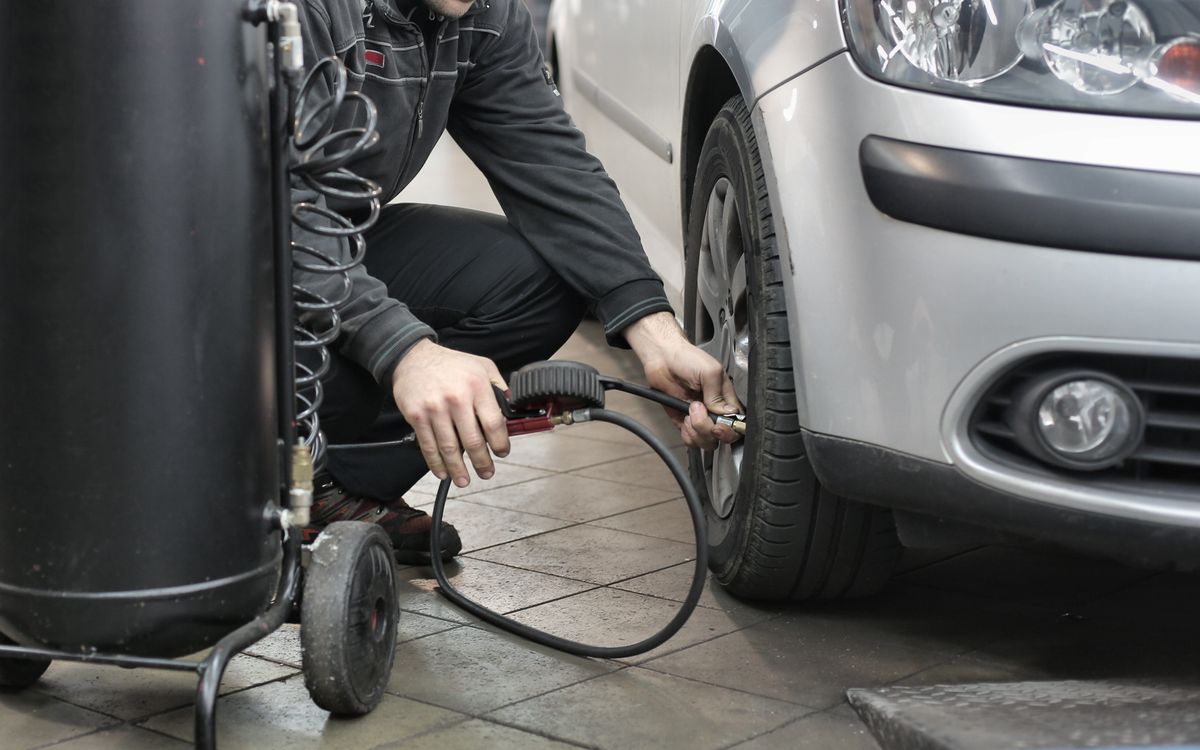
Check pressures monthly, remembering that pressure falls as temperature drops. An underinflated tyre handles worse and wears faster.
Winter tyres transform grip below around seven degrees, because the compound stays flexible. In regions with genuine winters they outperform all-wheel drive on all-season tyres, particularly in braking.
Fluids and visibility
Screenwash concentration matters. Diluted summer mix freezes in the reservoir and the jets, leaving you unable to clear salt spray — which is a genuine safety issue, not an inconvenience.
Check coolant antifreeze concentration. Weak coolant can freeze and crack an engine block, which is a catastrophic and entirely preventable failure.
Replace worn wiper blades before winter rather than during it, and lift them clear of the screen in freezing conditions so they do not tear when the car is defrosted.
Before a long journey
Check lights all round, top up fuel rather than running low, and confirm the spare or repair kit is present and usable.
Carry a scraper, de-icer, a torch, a warm layer, a phone charger and something to drink. Being stationary in traffic for hours in cold weather is unpleasant rather than dangerous with those, and genuinely risky without.
Storage and infrequent use
Cars left standing suffer more than cars used. Flat spots on tyres, seized brakes, drained batteries and rodent damage are all common.
If a car will be unused for weeks, a trickle charger maintaining the battery is the single most useful intervention, and moving it occasionally prevents brakes seizing to the discs.
Article Was Generated By AI.